Blog list
Family Vision Care of Richmond Blog
Learn more about optometrist care in our blog!
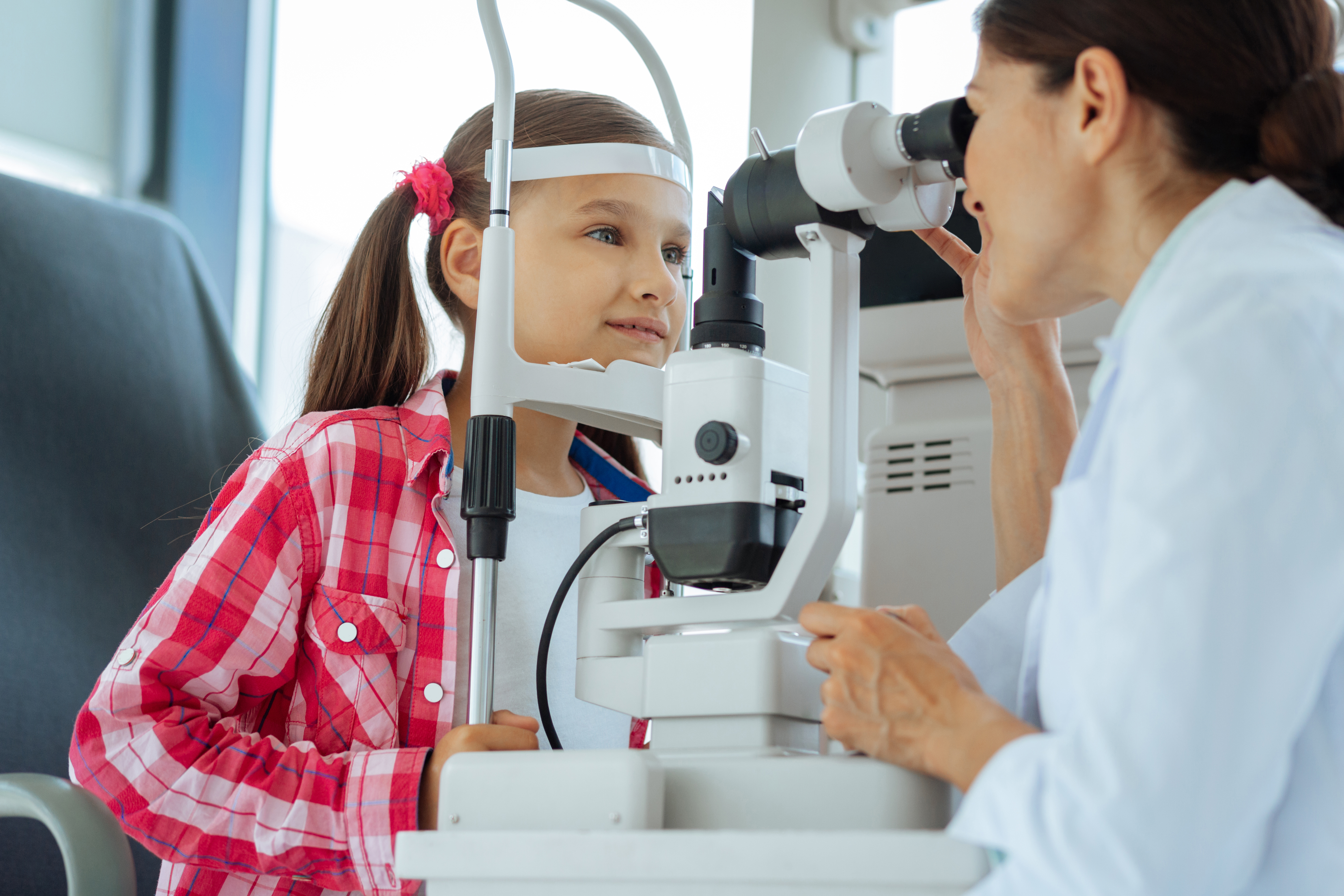
When a child is diagnosed with myopia, or nearsightedness, updating their glasses prescription can help them see clearly - but it does not necessarily slow the underlying progression of myopia. As the eye continues to grow longer, the prescription can become stronger over time.
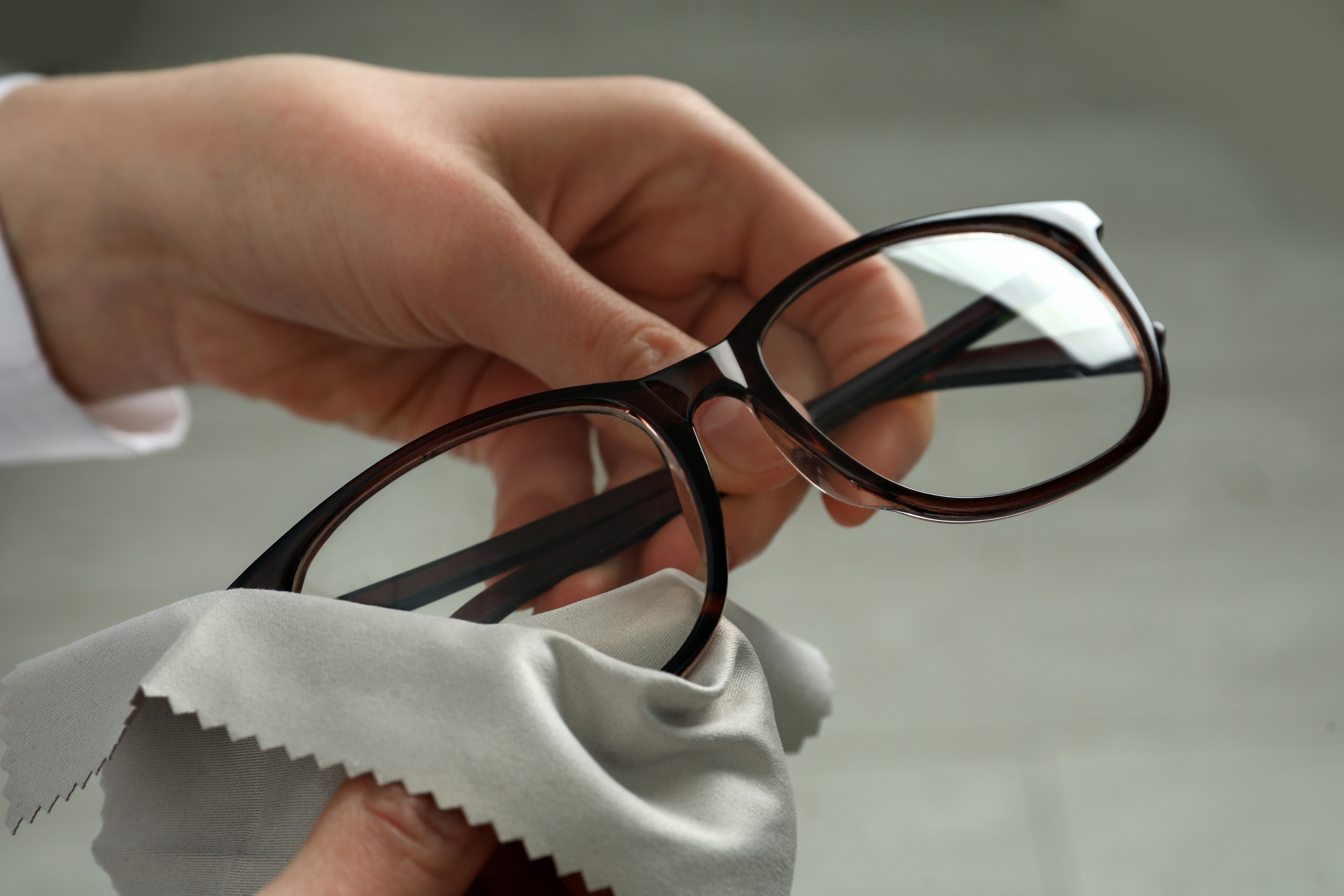
The right eyeglass lenses can do more than correct blurry vision. Premium lenses can provide sharper vision, smoother transitions between distances, greater comfort during computer use, and features designed around your daily activities. At Family Vision Care of Richmond, we start with a comprehensive eye exam to understand your prescription, eye health, visual habits, and specific vision needs before recommending lenses.

A new school year brings new classrooms, assignments, sports, and activities. For children with myopia, also known as nearsightedness, blurred distance vision can make these everyday experiences more difficult. Myopia management can help children see clearly while also addressing how quickly their nearsightedness progresses.
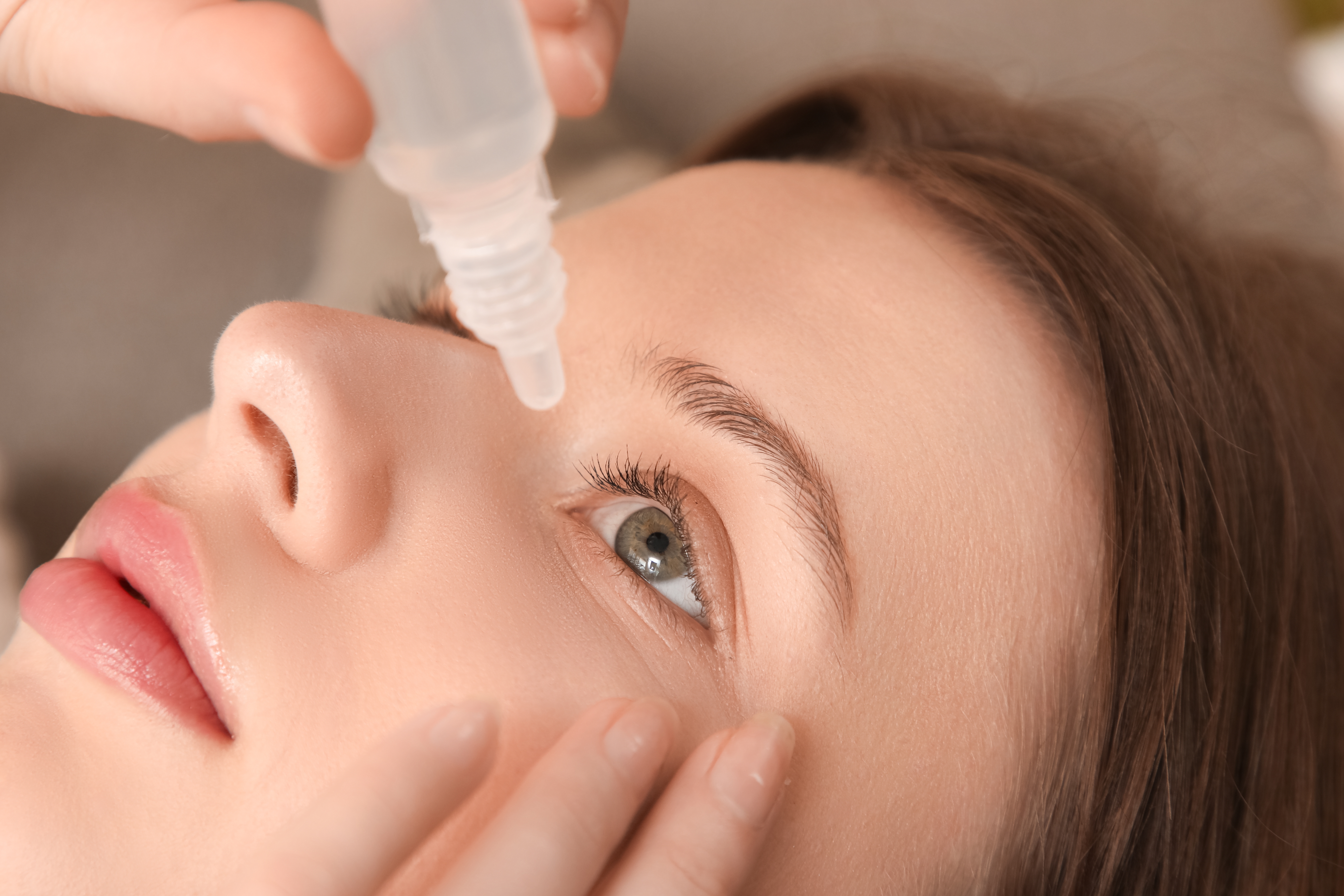
Dry, burning, irritated eyes can make even simple tasks feel uncomfortable. For many people, the first instinct is to reach for artificial tears. While eye drops can provide temporary relief, they often do not address the root cause of chronic dry eye. If your symptoms keep coming back, your eyes may need a more targeted approach.
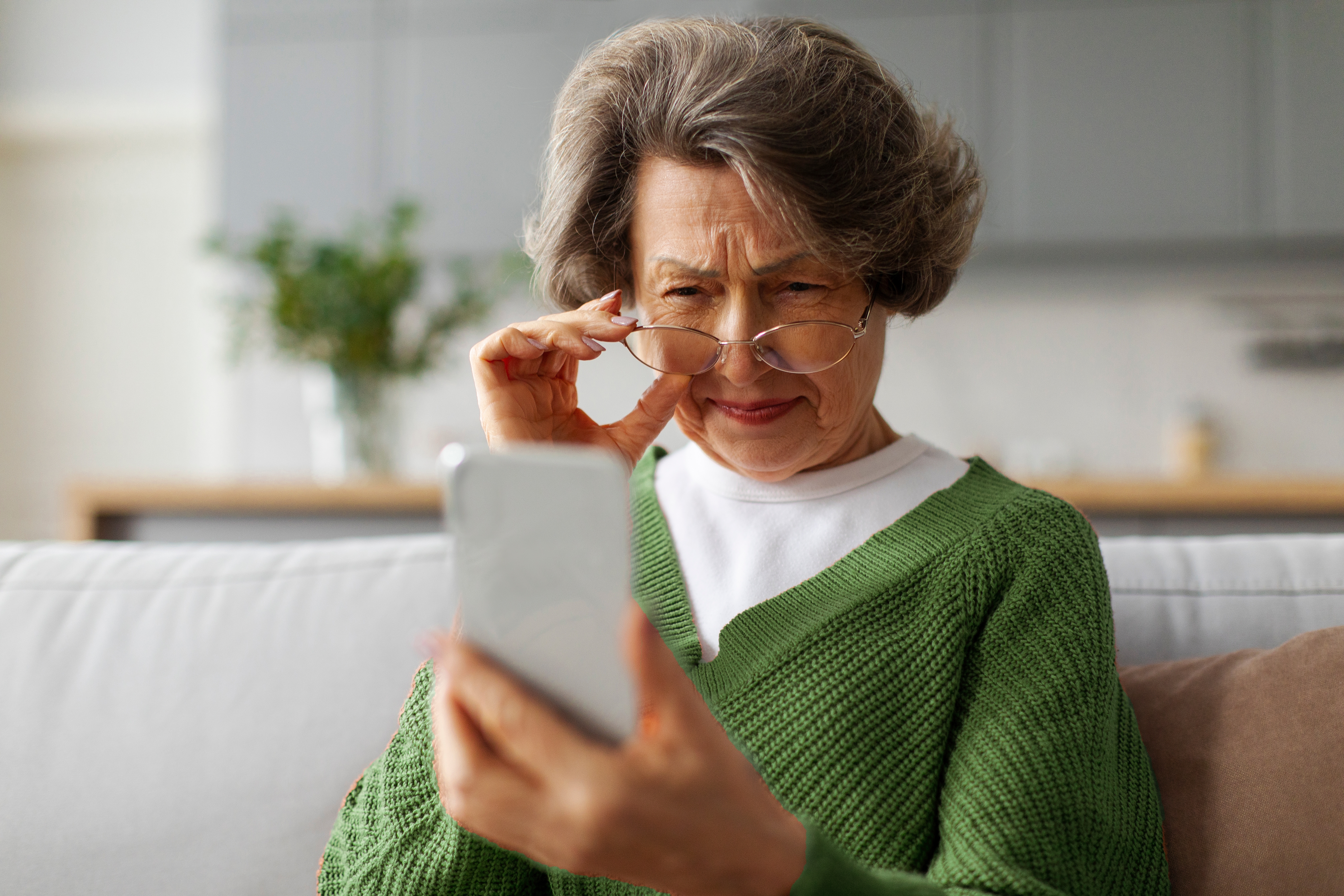
Headaches can come from stress, posture, dehydration, sinus issues, or other health concerns. But for many people in Ashland, eye strain is also a common factor, especially with long hours on screens, detailed close-up work, or an outdated prescription. When your eyes are working harder than they should, that extra effort can lead to discomfort that shows up as headaches, tired eyes, blurry vision, or pressure around the forehead and temples.
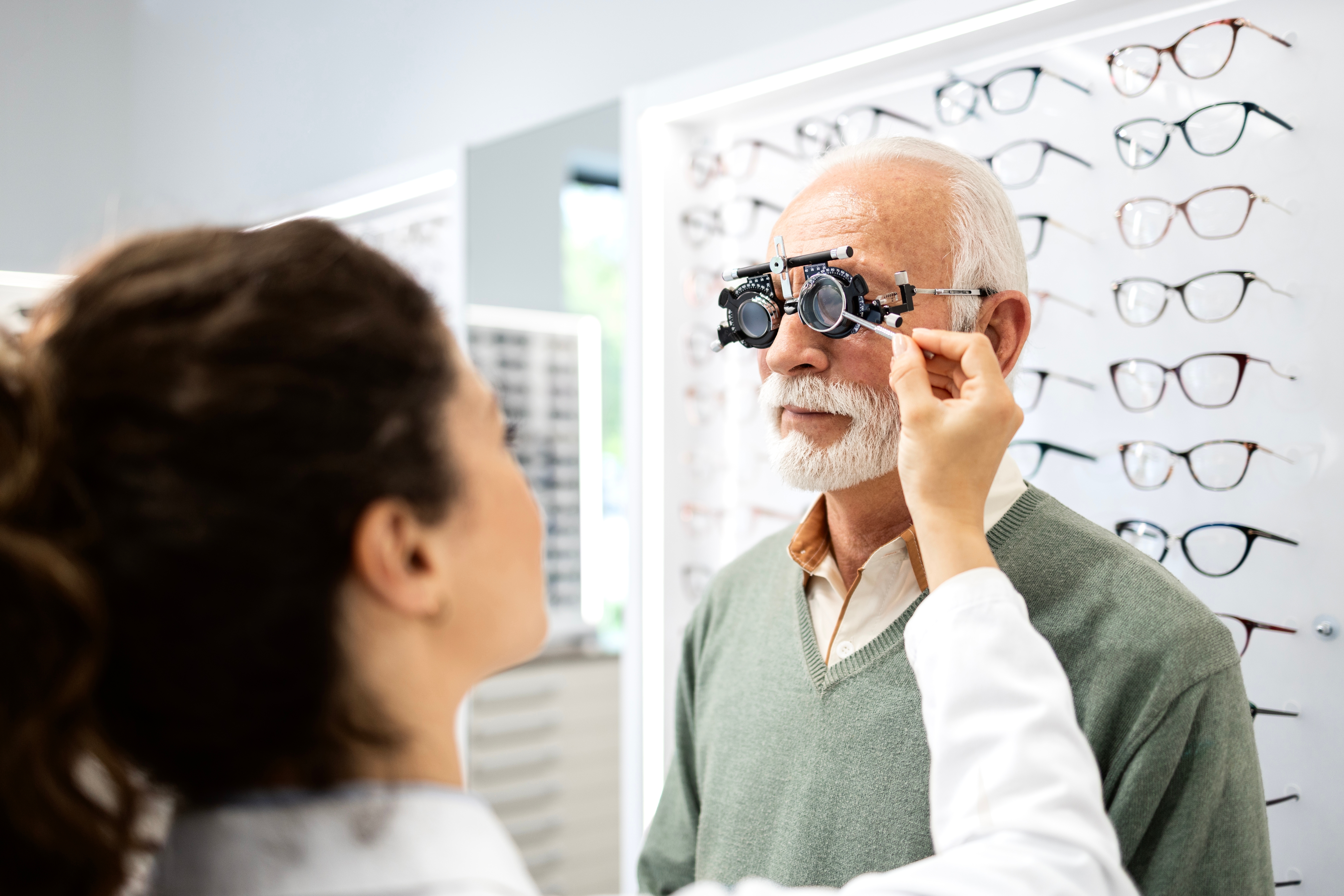
Clear vision does not always mean your eyes are healthy. Many eye conditions develop slowly and may not cause noticeable symptoms at first. A comprehensive eye exam gives our eye doctor a closer look at your vision, eye health, and early signs of problems that can affect your sight over time.

What you eat can affect more than your energy, heart health, and overall wellness. A healthy diet can also play an important role in protecting your eyes and lowering your risk for certain eye diseases over time. While nutrition cannot prevent every eye condition, the right foods can support the retina, macula, blood vessels, tear film, and overall eye function.
What you eat can affect more than your energy, heart health, and overall wellness. A healthy diet can also play an important role in protecting your eyes and lowering your risk for certain eye diseases over time. While nutrition cannot prevent every eye condition, the right foods can support the retina, macula, blood vessels, tear film, and overall eye function.
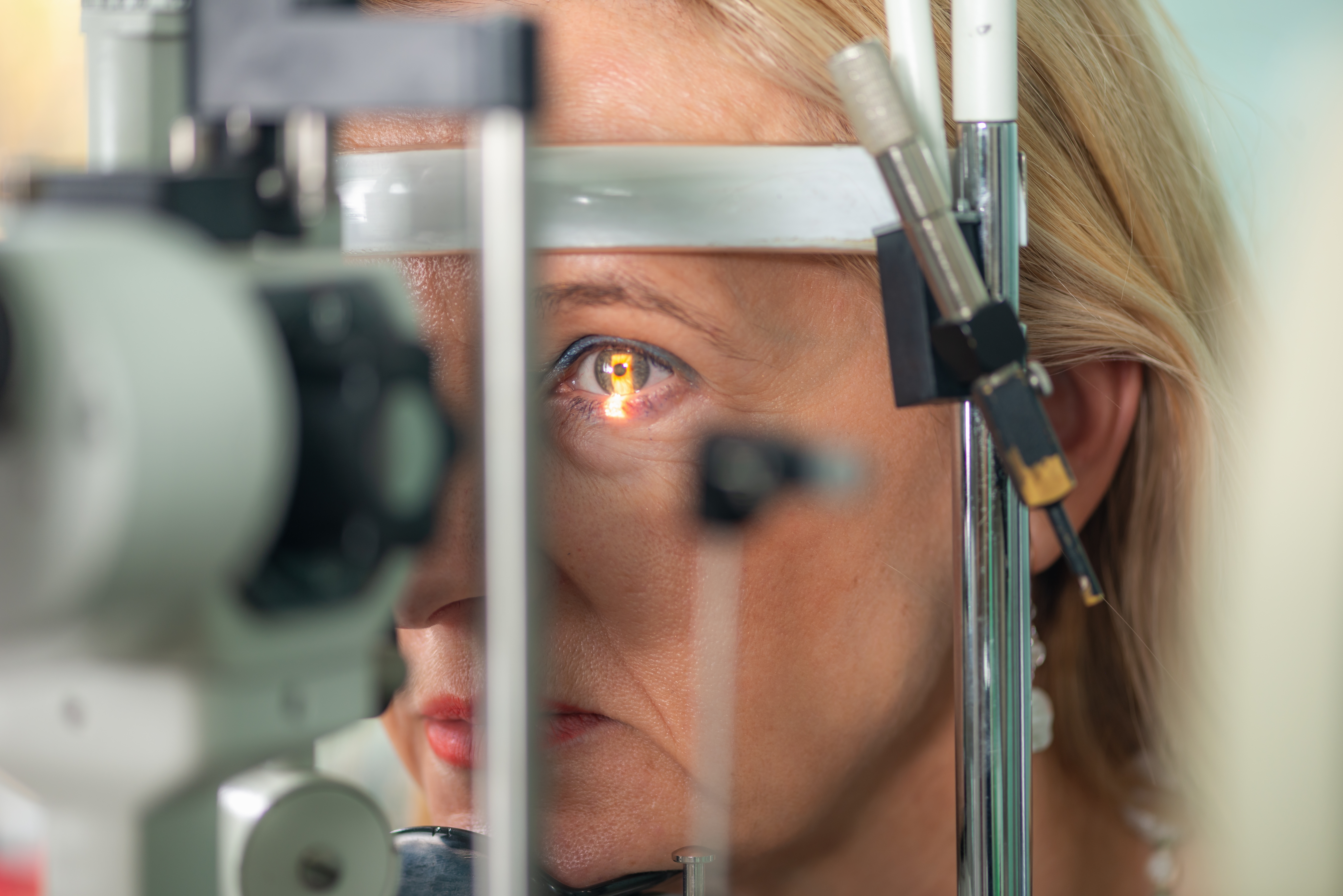
Your eyes can be affected by diabetes in ways that are easy to miss at first. High blood sugar can quietly damage the retina, lens, and optic nerve, increasing the risk of several common but serious eye conditions. At Family Vision Care of Richmond, we help patients protect their vision with regular eye exams and ongoing eye health monitoring.

Spending hours on computers, phones, and tablets can take a toll on your eyes. One of the most common issues linked to heavy device use is dry eye. When you focus on a screen, you tend to blink less often, which makes it harder for tears to keep the eyes properly lubricated. Over time, this can lead to irritation, burning, blurry vision, and eye fatigue.

All Eye
Care Services

Keep
In Touch

Quick Link
Glen Allen Location
Ashland Location
Mon - Fri 8:30 am to 5:00 pm
804-798-3306

© 2026 Family Vision Care of Richmond. All rights Reserved. Accessibility Statement - Privacy Policy - Terms and Conditions - Sitemap
Powered by: