Why Do I Need an Eye Exam If My Vision Seems Fine?
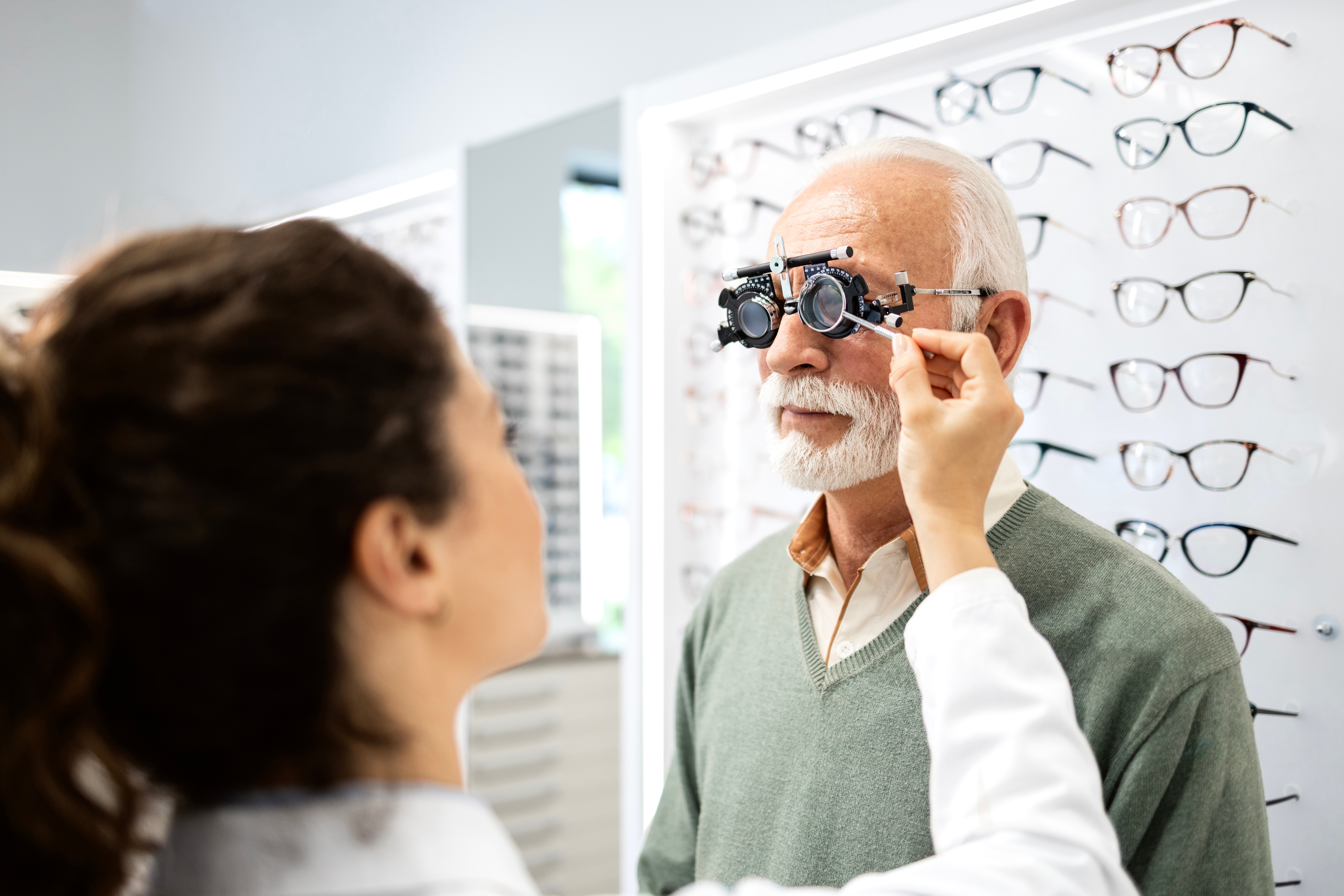
Clear vision does not always mean your eyes are healthy. Many eye conditions develop slowly and may not cause noticeable symptoms at first. A comprehensive eye exam gives our eye doctor a closer look at your vision, eye health, and early signs of problems that can affect your sight over time. Routine eye exams are an important part of staying proactive about long-term eye health, even when everything seems normal.
Good Vision Does Not Always Mean Healthy Eyes
You may be able to read clearly, drive comfortably, and use screens without much trouble, but that does not tell the full story. Some eye diseases can begin without pain, redness, blurry vision, or other obvious warning signs.
During an eye exam, our optometrists checksmore than your prescription. They evaluate the health of the front and back of the eye, how your eyes work together, and whether there are changes that may need monitoring or treatment.
Eye Exams Help Detect Problems Early
Early detection is one of the biggest reasons to schedule regular eye exams. Conditions such as glaucoma, diabetic eye disease, cataracts, macular degeneration, and retinal issues may progress before you notice changes in your vision.
An eye exam may help identify:
- Changes in your prescription
- Signs of eye strain or focusing problems
- Early indicators of eye disease
- Dry eye or ocular surface concerns
- Effects of diabetes, high blood pressure, or other health conditions
- Contact lens fit or comfort issues
Finding these concerns early gives your eye doctor more options to protect your vision and manage symptoms before they become more disruptive.
Your Eyes Can Reflect Your Overall Health
The eyes can show signs of certain health conditions, sometimes before symptoms appear elsewhere. During a comprehensive eye exam, your optometrist may notice changes related to diabetes, high blood pressure, inflammation, or vascular health.
This is one reason routine eye care is valuable, even if you are not currently struggling with blurry vision. Your exam can provide helpful insight into both your eye health and your overall wellness.
Screen Time Can Affect Comfortable Vision
Many people spend long hours on computers, phones, and tablets. Even if your distance vision feels fine, screen use can lead to eye fatigue, dryness, headaches, or trouble refocusing between near and far distances. An eye exam can help determine whether you need an updated prescription, computer glasses, dry eye care, or guidance on better visual habits for your daily routine.
Children and Adults Both Need Routine Eye Exams
Eye exams are not only for people who wear glasses or contacts. Children may not always know how to explain vision problems, and adults may adapt to subtle changes without realizing something has shifted.
For kids, regular eye exams can support learning, reading, and development. For adults, they help track changes in prescription, eye pressure, retinal health, and age-related concerns.
How Often Should You Schedule an Eye Exam?
The right schedule depends on your age, health history, vision needs, and risk factors. Some patients need annual exams, while others may need more frequent visits if they have diabetes, a family history of eye disease, contact lens use, or existing eye health concerns. If it has been more than a year since your last eye exam, or if you are unsure when you should return, scheduling a comprehensive visit is a smart place to start.
Visit our office in Innsbrook or Ashland, Virginia. Call (804) 217-9883 (Innsbrook) or (804) 798-3306 (Ashland) to book an appointment today.

All Eye
Care Services

Keep
In Touch

Quick Link
Glen Allen Location
Ashland Location
Mon - Fri 8:30 am to 5:00 pm
804-798-3306

© 2026 Family Vision Care of Richmond. All rights Reserved. Accessibility Statement - Privacy Policy - Terms and Conditions - Sitemap
Powered by: