Why Diabetes Increases the Risk of Retinopathy, Cataracts, and Glaucoma
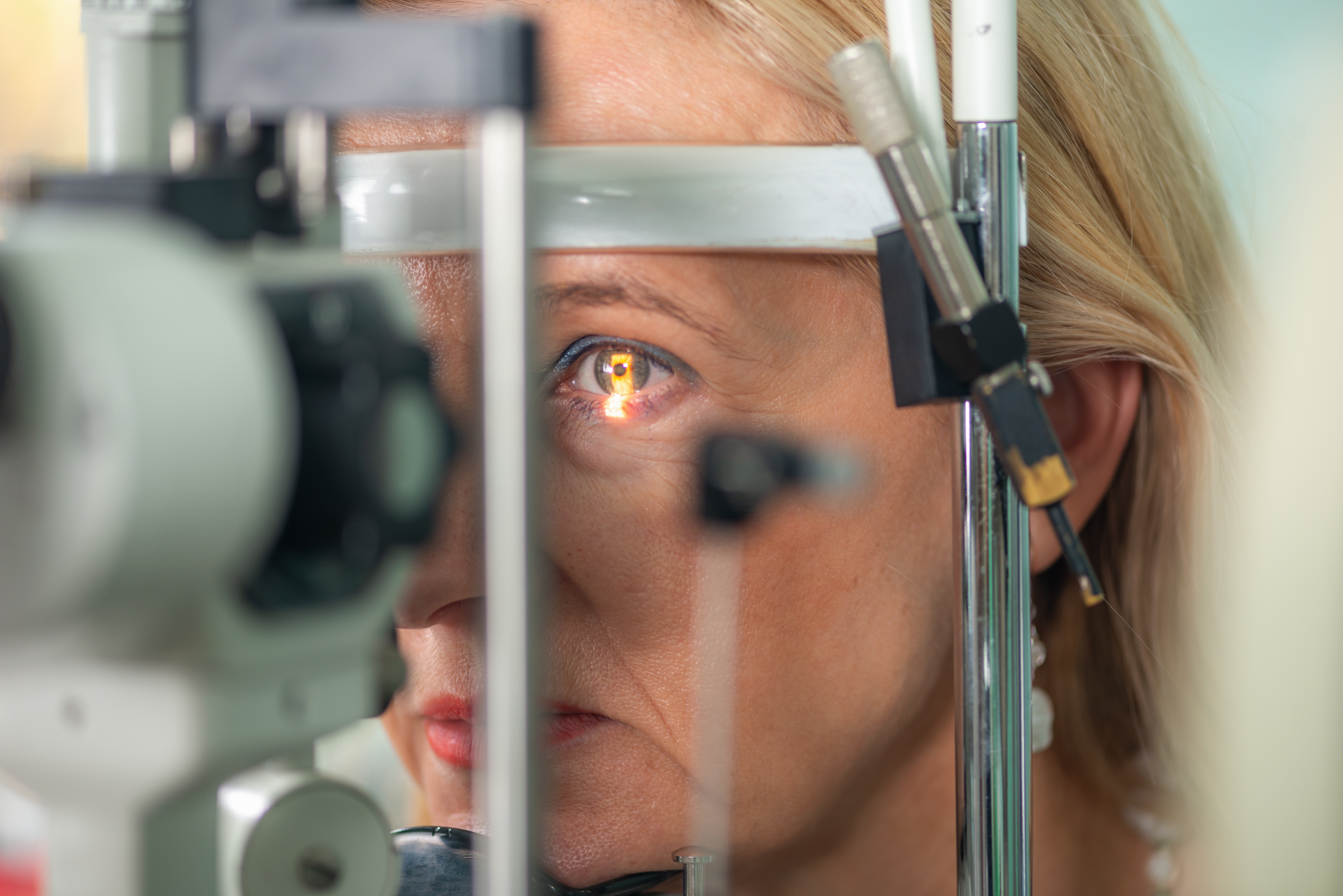
Your eyes can be affected by diabetes in ways that are easy to miss at first. High blood sugar can quietly damage the retina, lens, and optic nerve, increasing the risk of several common but serious eye conditions. At Family Vision Care of Richmond, we help patients protect their vision with regular eye exams and ongoing eye health monitoring.
How Diabetes Affects The Eyes
When blood sugar stays too high for long periods, it can damage blood vessels throughout the body, including those in the retina. The retina is the light-sensitive tissue at the back of the eye that helps send visual information to the brain. Diabetes can also affect the eye’s lens and fluid pressure, which is why it is linked to several serious eye conditions.
Even if your vision seems fine day to day, diabetes may still be causing changes inside the eyes. Many diabetic eye conditions begin quietly and become more serious before noticeable symptoms appear.
Diabetic Retinopathy Starts with Blood Vessel Damage
Diabetic retinopathy develops when high blood sugar weakens the blood vessels in the retina. These vessels may leak fluid, swell, or bleed. In more advanced stages, abnormal new blood vessels can form and increase the risk of vision loss.
This condition is one of the most common diabetes-related eye problems because it directly affects the retina. In its early stages, diabetic retinopathy may not cause pain or obvious changes in sight, which is why routine medical eye exams are so important.
Diabetes Can Speed Up Cataract Development
A cataract causes the eye’s natural lens to become cloudy. While cataracts are common with age, diabetes can cause them to form earlier or progress faster. Changes in blood sugar can affect the lens and contribute to blurry or fluctuating vision over time.
Many people assume cloudy vision is only a normal part of aging, but for individuals with diabetes, cataracts may develop sooner than expected and interfere with daily activities more quickly.
Glaucoma Risk also Increases with Diabetes
Glaucoma is a group of eye diseases that can damage the optic nerve, often due to increased pressure inside the eye. People with diabetes are at greater risk for glaucoma, which can lead to permanent vision loss if not treated early.
Because glaucoma often develops without clear symptoms at first, many patients do not realize there is a problem until vision loss has already occurred. Regular eye exams allow us to check eye pressure, evaluate the optic nerve, and look for early signs before the condition worsens.
Signs You Should Not Ignore
Some symptoms may point to diabetic eye disease and should be evaluated promptly, including:
- Blurry or fluctuating vision
- Dark spots or floaters
- Trouble seeing at night
- Eye pressure or discomfort
- Gradual loss of side vision
Stay Ahead of Diabetes-Related Eye Disease at Family Vision Care of Richmond
The best way to reduce the risk of vision loss from diabetes is to stay consistent with eye exams and manage your overall health. Monitoring blood sugar, blood pressure, and cholesterol can help support eye health, but regular exams are still essential because many changes are not visible without a thorough evaluation.
Schedule your eye exam at Family Vision Care of Richmond to stay ahead of diabetic-related eye conditions and protect your long-term vision. Visit our office in Glen Allen or Ashland, Virginia. Call (804) 217-9883 or (804) 798-3306 to book an appointment today.

All Eye
Care Services

Keep
In Touch

Quick Link
Glen Allen Location
Ashland Location
Mon - Fri 8:30 am to 5:00 pm
804-798-3306

© 2026 Family Vision Care of Richmond. All rights Reserved. Accessibility Statement - Privacy Policy - Terms and Conditions - Sitemap
Powered by: