Ocular Rosacea and Dry Eye: Why Redness and Irritation Often Occur Together
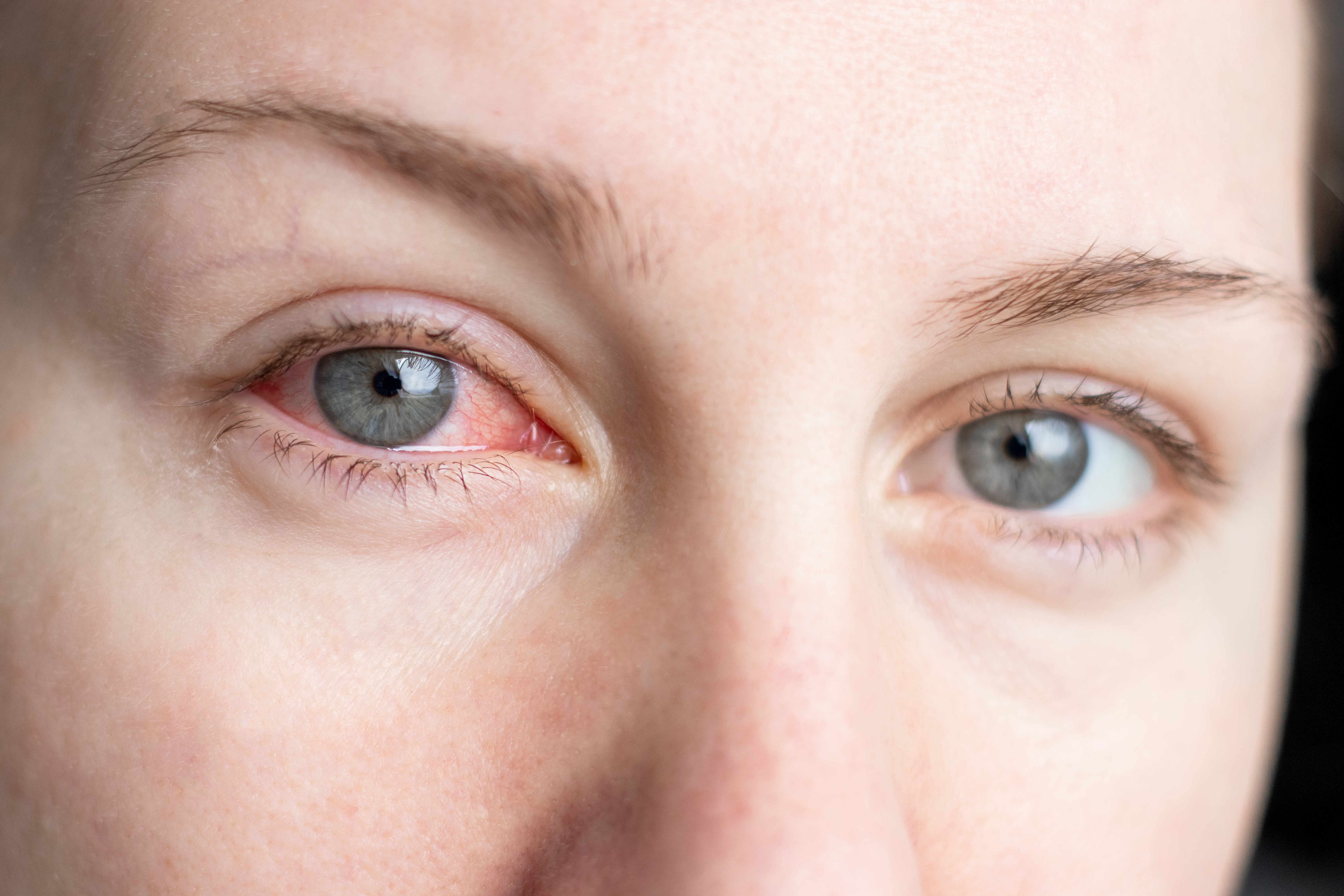
Persistent eye redness, burning, and irritation are common symptoms of dry eye, but they may also be associated with an inflammatory condition called ocular rosacea. These conditions frequently occur together because inflammation can interfere with the eye's natural tear film. Understanding this connection can help identify the underlying cause of discomfort and guide more effective treatment.
What Is Ocular Rosacea?
Ocular rosacea is a chronic inflammatory condition that affects the eyelids and surface of the eyes. It is often associated with facial rosacea, which causes redness and visible blood vessels on the cheeks, nose, and forehead. However, ocular rosacea can develop even without noticeable skin symptoms.The condition can cause inflammation along the eyelid margins, affecting the oil-producing glands responsible for maintaining a healthy tear film. When these glands become irritated or blocked, dry eye symptoms may develop or worsen.
How Ocular Rosacea Contributes to Dry Eye
The meibomian glands, located along the eyelid margins, produce oils that slow tear evaporation. Ocular rosacea can disrupt these glands, contributing to meibomian gland dysfunction (MGD). When the glands do not release enough healthy oil, tears evaporate more quickly, resulting in evaporative dry eye. This can create a cycle of inflammation, dryness, and irritation. Because ocular rosacea and dry eye share many symptoms, identifying the underlying cause is important for developing an appropriate treatment plan.Common Symptoms of Ocular Rosacea and Dry Eye
Patients experiencing both conditions may notice:- Persistent eye redness and irritation
- Burning, stinging, or gritty sensations
- Dryness or excessive watering
- Swollen or inflamed eyelid margins
- Blurred or fluctuating vision
- Increased sensitivity to light
- Recurring styes or eyelid inflammation
Symptoms may worsen with environmental triggers such as wind, extreme temperatures, sunlight, and certain skincare products.
How We Diagnose Ocular Rosacea and Dry Eye
At Family Vision Care of Richmond, we evaluate the health of the eyelids, tear film, and ocular surface to identify factors contributing to persistent irritation. Our dry eye evaluations may include assessing tear stability, examining the meibomian glands, and looking for signs of inflammation or gland blockage. These findings help us determine whether symptoms are related to ocular rosacea, dry eye disease, or another condition requiring treatment.Treatment Options for Ocular Rosacea and Dry Eye
Managing ocular rosacea-related dry eye often involves addressing both inflammation and tear film instability. At our Dry Eye & Aesthetics Center, we develop personalized treatment plans based on each patient's symptoms and examination findings.Treatment may include warm compresses, gentle eyelid hygiene, lubricating eye drops, and prescription medications when appropriate. We also offer intense pulsed light (IPL) therapy, which may help reduce inflammation and improve symptoms in suitable patients with rosacea-associated dry eye. Because ocular rosacea is a chronic condition, ongoing management may be necessary to reduce flare-ups and maintain eye comfort.
Schedule a Dry Eye Evaluation
If persistent redness, dryness, or irritation is affecting your daily comfort, schedule an evaluation with Family Vision Care of Richmond to explore personalized treatment options. Visit our office in Glen Allen or Ashland, Virginia. Call (804) 217-9883 (Glen Allen) or (804) 798-3306 (Ashland) to book an appointment today.
All Eye
Care Services

Keep
In Touch

Quick Link
Glen Allen Location
Ashland Location
Mon - Fri 8:30 am to 5:00 pm
804-798-3306

© 2026 Family Vision Care of Richmond. All rights Reserved. Accessibility Statement - Privacy Policy - Terms and Conditions - Sitemap
Powered by: